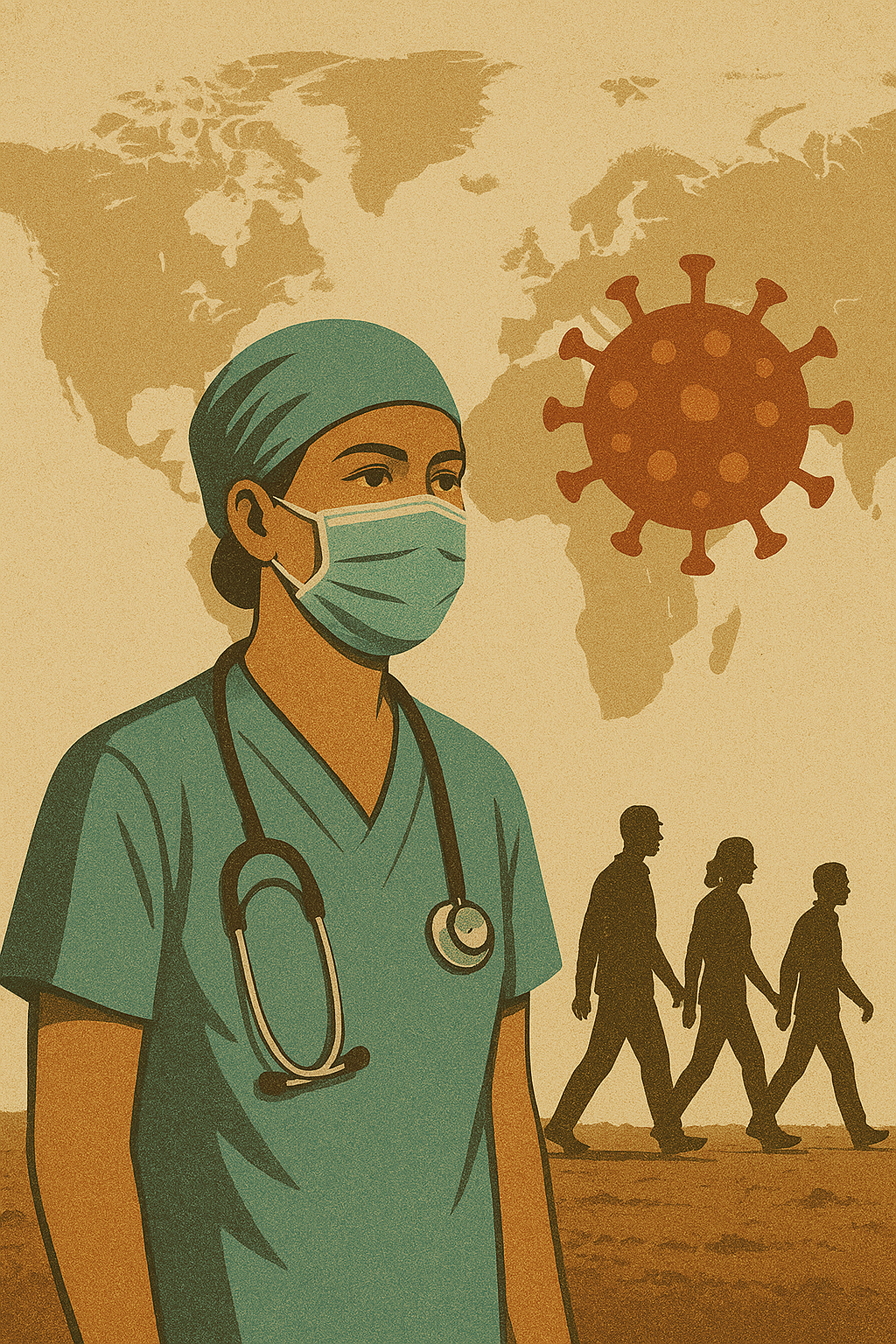
A Pandemic That Changed Everything
When COVID-19 swept across the globe in 2020, it exposed the vulnerabilities of health systems everywhere. Even the most advanced nations were caught unprepared, struggling with shortages of protective equipment, overwhelmed hospitals, and fragile supply chains. Five years later, the pandemic’s shadow continues to shape global health priorities, forcing governments, institutions, and communities to confront the urgent question: how do we build resilient systems that can withstand the next crisis?
Lessons From a Global Shock
The pandemic left behind sobering lessons:
-
Preparedness Matters: Nations that had invested in public health infrastructure and surveillance—such as South Korea and Taiwan—managed the crisis more effectively.
-
Inequalities Kill: COVID-19 highlighted stark inequities. Poor communities, minority groups, and developing countries faced higher death rates and slower vaccine access.
-
Global Coordination Is Fragile: International cooperation faltered at critical moments, with competition for vaccines and medical supplies straining alliances.
-
Mental Health Cannot Be Ignored: Lockdowns, loss, and uncertainty triggered a global surge in anxiety, depression, and burnout.
These lessons now form the backbone of new strategies to strengthen health resilience.
Reimagining Public Health
At the heart of resilience is public health—the frontline against any epidemic. Governments are now investing in early warning systems, pandemic preparedness units, and data-driven surveillance. The World Health Organization (WHO) is expanding its Pandemic Hub in Berlin, designed to detect threats faster through genomic sequencing and artificial intelligence.
Local systems are equally vital. Community health workers, once undervalued, are now recognized as the backbone of primary care, especially in rural Africa, South Asia, and Latin America. Empowering these workers with training, technology, and fair pay is becoming a global priority.
Supply Chains and Self-Sufficiency
COVID-19 revealed how fragile global supply chains had become. Countries dependent on imported medical supplies and pharmaceuticals were left vulnerable when borders closed. In response:
-
Africa is building regional manufacturing hubs for vaccines, aiming to produce 60% of its vaccine needs domestically by 2040.
-
India is positioning itself as a global pharmacy, expanding production of generics and essential drugs.
-
Europe and the U.S. are incentivizing domestic production of critical supplies, from masks to semiconductors used in medical devices.
Resilience, experts argue, requires a balance between globalization and local capacity.
Digital Health Revolution
The pandemic accelerated the adoption of digital health. Telemedicine, once a niche service, became mainstream. Today, virtual consultations are routine in many countries, saving time and expanding access. AI is being used to detect disease outbreaks, assist diagnostics, and personalize treatments.
Yet the digital revolution carries risks. Data privacy, unequal access to technology, and overreliance on algorithms are pressing concerns. Bridging the digital divide—between rich and poor, urban and rural—is critical to ensuring health innovation does not deepen inequality.
The Mental Health Imperative
Perhaps the most overlooked legacy of COVID-19 is the global mental health crisis it unleashed. The pandemic normalized conversations about stress, trauma, and burnout. Employers, schools, and governments are beginning to treat mental health with the same seriousness as physical health.
Investments in counseling services, online therapy platforms, and workplace wellness programs are growing. But the gap remains vast: in low-income countries, fewer than one in five people with mental health conditions receive any treatment. Experts warn that without urgent action, mental health will remain the “silent pandemic” of the century.
Vaccine Equity and Trust
COVID-19 also revealed how global solidarity can falter. While wealthy nations vaccinated their populations rapidly, many low-income countries waited months—or years—for doses. Initiatives like COVAX attempted to address this, but structural inequities persisted.
Going forward, building vaccine equity means:
-
Supporting regional manufacturing.
-
Sharing intellectual property during emergencies.
-
Tackling vaccine misinformation, which continues to undermine public trust.
Health experts stress that vaccines are not only scientific triumphs but also tools of diplomacy and justice.
Climate Change and Health
A new dimension of resilience is the intersection of health and climate. Rising temperatures are expanding the range of diseases like malaria and dengue. Extreme heat is linked to spikes in mortality, while air pollution worsens chronic illnesses.
Global health resilience now demands climate resilience—from strengthening hospitals against floods and hurricanes to developing cooling centers for vulnerable populations. As WHO warns, climate change could soon surpass infectious disease as the greatest threat to global health.
Financing the Future
Building resilience requires money. The World Bank and IMF are urging countries to treat health spending not as a cost but as an investment in economic stability. The pandemic demonstrated that health crises can cripple economies, costing trillions.
Some proposals gaining traction include:
-
Establishing a global pandemic fund to support poorer nations.
-
Increasing domestic health budgets, particularly in preventive care.
-
Leveraging private sector partnerships for innovation and infrastructure.
Toward a New Global Compact
Ultimately, resilience will require cooperation across borders. Calls are growing for a binding pandemic treaty, ensuring fair access to vaccines, data sharing, and accountability during future crises. Negotiations are ongoing at the WHO, though political divisions remain.
At the same time, regional approaches are emerging. The African Union is strengthening its Africa CDC, while the European Union is building a Health Emergency Preparedness Authority (HERA). These initiatives suggest that resilience may come not from one global body but from a web of regional and local systems working together.
Looking Ahead
The world after COVID-19 is not safer by default. The risks of new pandemics, climate-related health threats, and digital vulnerabilities remain high. But the pandemic also left behind a blueprint for resilience.
Health systems that are inclusive, flexible, and equitable will be best placed to protect societies in the years ahead. The challenge is whether nations will learn from the past—or repeat it.
As one health expert put it: “The true test of resilience is not how we responded to COVID, but how prepared we are for what comes next.”
700 701 702 703 704 705 706 707 708 709 710 711 712 713 714 715 716 717 718 719 720 721 722 723 724 725 726 727 728 729 730 731 732 733 734 735 736 737 738 739 740 741 742 743 744 745 746 747 748 749 750 751 752 753 754 755 756 757 758 759 760 761 762 763 764 765 766 767 768 769 770 771 772 773 774 775 776 777 778 779 780 781 782 783 784 785 786 787 788 789 790 791 792 793 794 795 796 797 798 799 800 801 802 803 804 805 806 807 808 809 810 811 812 813 814 815 816 817 818 819 820 821 822