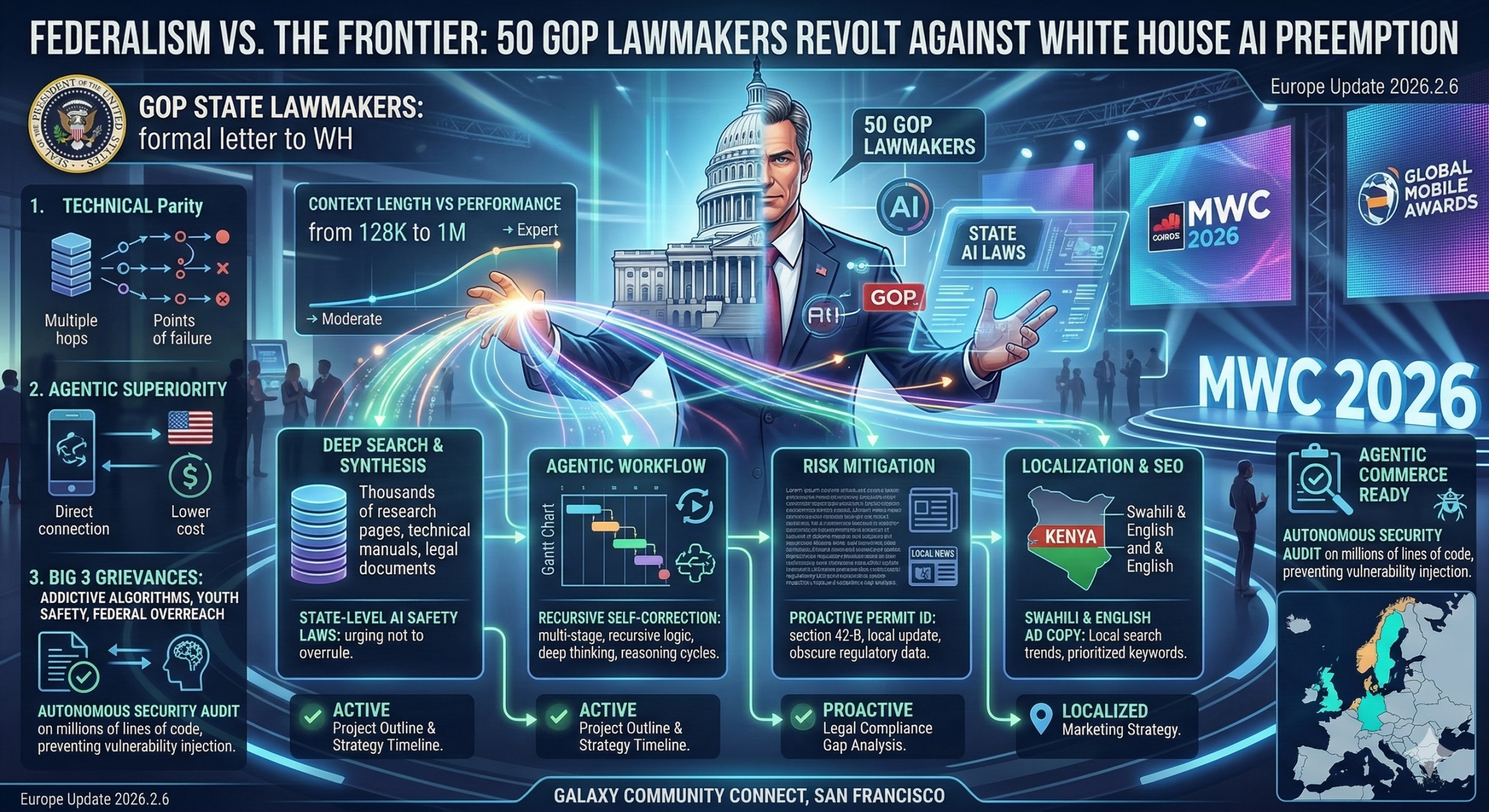
WASHINGTON, D.C. — March 3, 2026 — In a stinging challenge to the administration’s “National AI Policy,” more than 50 Republican state lawmakers from a dozen states delivered a formal letter to the White House today, demanding an end to federal efforts to quash state-level AI safety laws.
The revolt marks a significant internal fracture within the GOP over the balance between rapid AI innovation and the protection of constituents from “addictive social algorithms” and manipulative design practices. The letter, spearheaded by legislators from Utah, Florida, and Colorado, argues that the White House’s recent attempts to block local AI bills—including the controversial Utah Kids AI Safety Bill—infringe on constitutional principles of federalism.
The “Laboratories of Democracy” Argument
The lawmakers’ letter, organized by the non-profit Americans for Responsible Innovation (ARI), asserts that states must remain the “laboratories of democracy” in the fast-moving AI sector. They contend that local governments are better positioned than a centralized federal agency to respond to the specific, tangible harms their communities are facing today.
-
Addictive Algorithms: Lawmakers cited “manipulative design” as a primary concern, arguing that AI-driven social feeds are being engineered to maximize engagement at the cost of youth mental health.
-
Deepfake Exposure: The letter highlights a surge in unauthorized AI-generated content targeting minors and public figures, a risk they claim federal standards have been too slow to address.
-
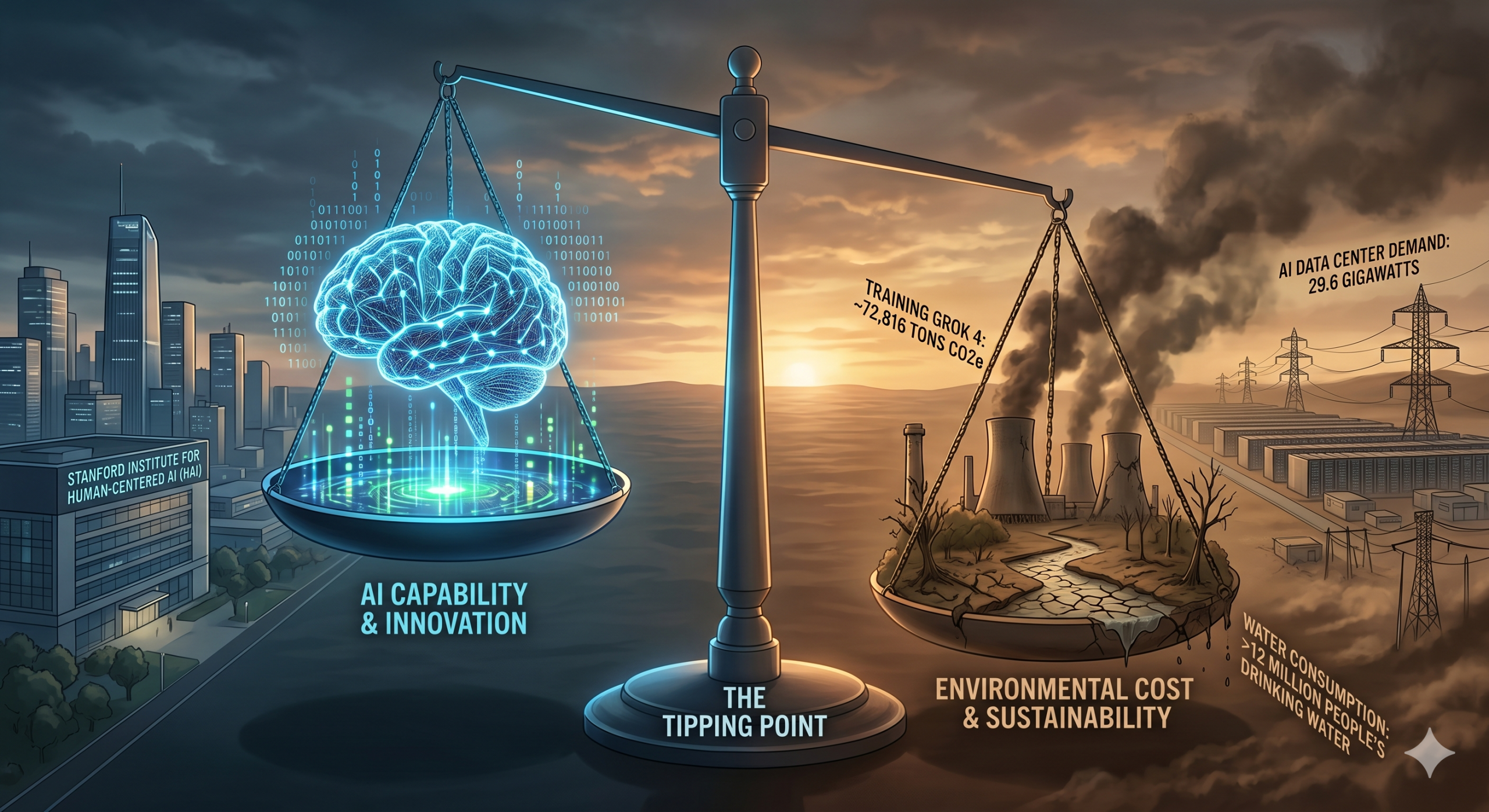
Data Center Impact: Beyond software, the signatories pointed to the local impact of the “Gigawatt Era,” where rapid data center buildouts (like the NVIDIA B300 clusters in Texas and Canada) are straining local power grids and land use.
“We firmly believe state-led efforts are fully consistent with conservative principles,” the lawmakers wrote. “Respect for federalism does not weaken national leadership. It strengthens it by allowing innovation at the most responsible and accountable levels of governance.”
The Standoff: Executive Order vs. State Rights
The tension stems from a December 2025 Executive Order titled “Ensuring a National Policy Framework for Artificial Intelligence.” This order directed the Department of Justice to establish an AI Litigation Task Force with the “sole responsibility” of challenging state laws that create a “discordant patchwork” of regulation.
Recent Flashpoints in the State-Federal War
| Date | Incident | Administration Stance | State Response |
| Feb 15, 2026 | Utah HB 286 | “Categorically opposed” via White House memo. | Utah lawmakers move to fast-track the bill. |
| Feb 1, 2026 | Colorado AI Act | Flagged as “onerous” for banning algorithmic bias. | Colorado Governor vows to defend the law in court. |
| March 11, 2026 | Commerce Deadline | Secretary must identify “burdensome” state laws. | States threaten to withhold cooperation on data audits. |
[Image showing a map of the U.S. with “Hot Zones” in Utah, Florida, California, and Colorado where state AI laws are in direct conflict with the Federal AI Litigation Task Force. A callout box lists the “Big 3” grievances from the GOP letter: Addictive Algorithms, Youth Safety, and Federal Overreach.]
The “Addictive Algorithm” Clause
The letter specifically targets the administration’s view that state-level safety requirements constitute “ideological bias.” The White House has argued that laws requiring AI to be “fair” or “non-discriminatory” (like the Colorado Act) actually force models to “alter truthful outputs” to avoid disparate impacts.
However, the 50 GOP signatories argue this is a false choice. They maintain that requiring transparency in how an algorithm chooses to show a child a specific piece of content is not a “woke” requirement, but a consumer protection standard akin to food labeling or auto safety.
Impact: A Two-Track Regulatory Reality
For companies and creators, this tension creates a “two-track reality” for 2026. While the White House promises a “minimally burdensome” national standard, state laws—including California’s SB 53 (Transparency in Frontier AI)—are already in effect and enforceable.
If the administration continues its path of preemption, analysts expect a wave of 10th Amendment litigation that could reach the Supreme Court by 2027.
With this “patchwork” of state laws remaining in place, would you like me to audit your current SEO and blog workflows to ensure you are compliant with the unique “Addictive Design” transparency rules currently being enforced in Florida and Utah?
700 701 702 703 704 705 706 707 708 709 710 711 712 713 714 715 716 717 718 719 720 721 722 723 724 725 726 727 728 729 730 731 732 733 734 735 736 737 738 739 740 741 742 743 744 745 746 747 748 749 750 751 752 753 754 755 756 757 758 759 760 761 762 763 764 765 766 767 768 769 770 771 772 773 774 775 776 777 778 779 780 781 782 783 784 785 786 787 788 789 790 791 792 793 794 795 796 797 798 799 800 801 802 803 804 805 806 807 808 809 810 811 812 813 814 815 816 817 818 819 820 821 822