March 21, 2026 – The gemstone industry is undergoing its most significant environmental transformation in decades. As of this month, a new industry-wide standard for Waterless Mining has officially taken effect, aiming to slash freshwater consumption in gemstone extraction by 55% through the mandatory integration of closed-loop recycling systems.
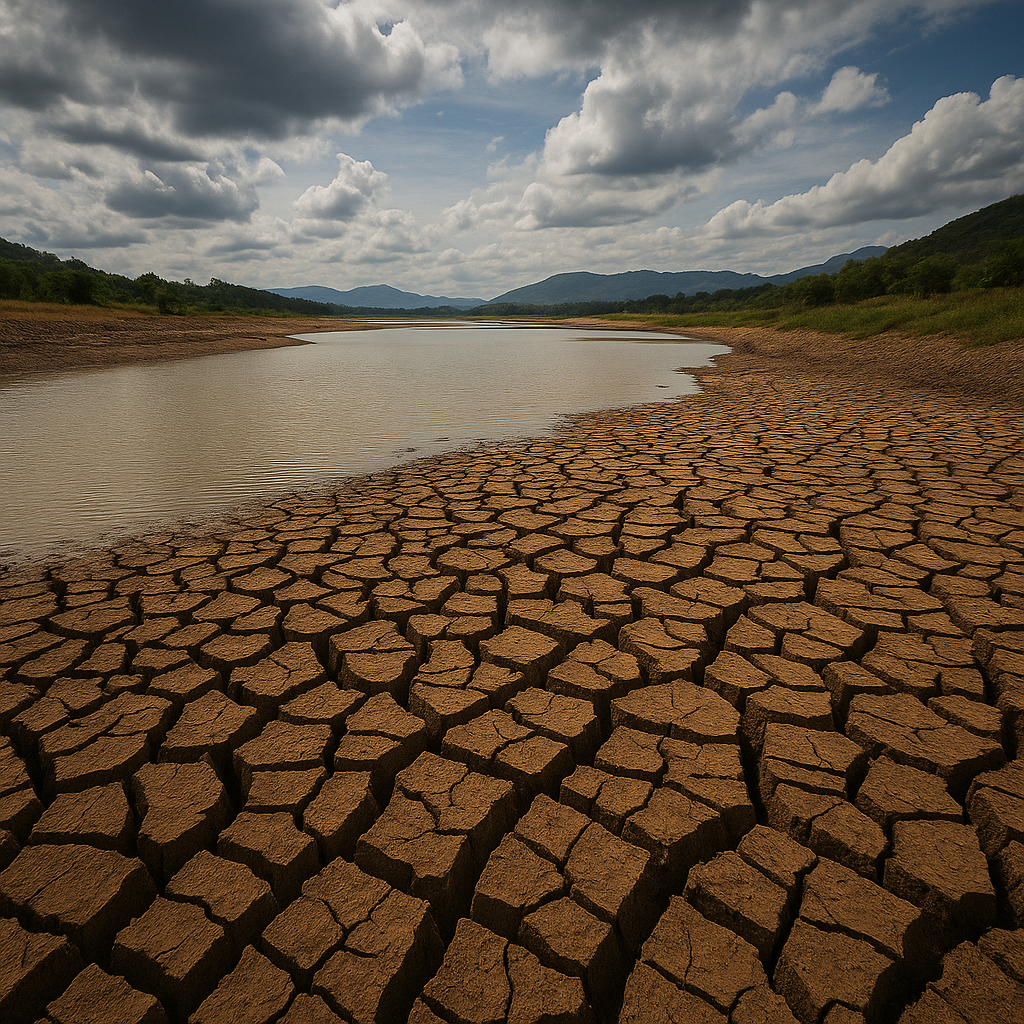
For years, the “glittering” industry has faced scrutiny for its heavy water footprint. Traditional extraction, particularly for alluvial diamonds and sapphires, often involves “washing” tons of earth, which depletes local aquifers and pollutes downstream ecosystems. The 2026 standard represents a hard pivot toward “Zero Liquid Discharge” (ZLD) operations.
The Tech Behind the 55% Reduction
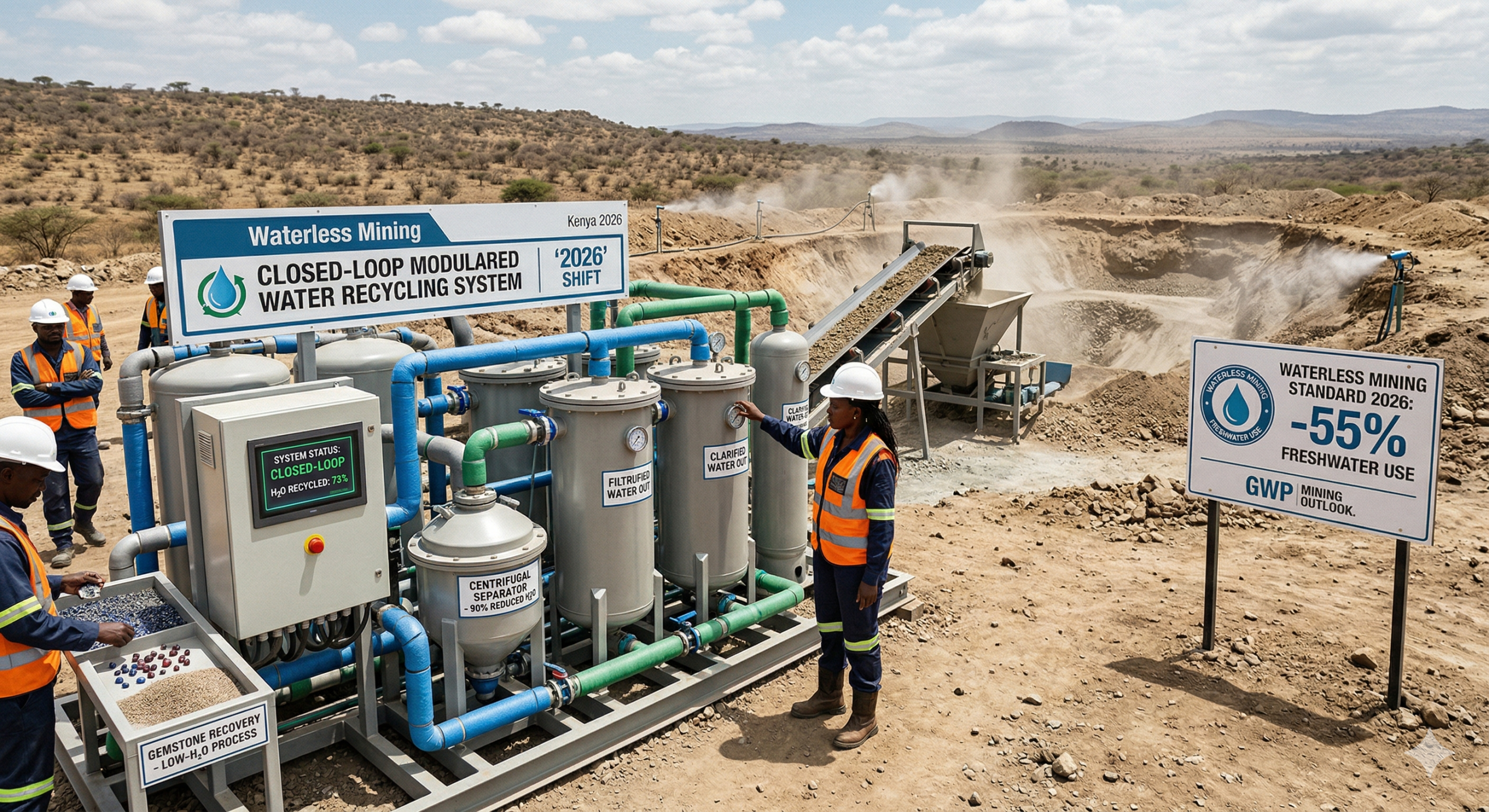
The core of this initiative lies in Closed-Loop Water Stewardship. Unlike traditional “once-through” systems that discharge sediment-heavy water back into rivers, the new 2026 models utilize:
-
Advanced Centrifugal Separation: High-speed mechanical systems that separate gems from gravel using 90% less water than traditional sluice boxes.
-
Modular Recovery Plants: Compact, portable units equipped with internal filtration that recycle over 70% of process water on-site.
-
AI-Driven Flow Controls: Smart sensors that monitor water turbidity in real-time, adjusting chemical dosing to clean and reuse water within seconds.
“We are moving away from the era of ‘dilution is the solution to pollution,'” says Dr. Aris Thorne, lead consultant for the Global Water Partnership (GWP) 2026 Mining Outlook. “By treating water as a reusable tool rather than a disposable commodity, we’re securing the future of both the industry and the communities that host it.”
Economic and Ecological Ripple Effects
The shift isn’t just about conservation—it’s about survival. Recent 2025 surveys indicated that mining-related water scarcity reduced agricultural yields in mining regions by up to 18%. The new standard aims to reverse this trend.
| Impact Metric | Traditional Mining (Pre-2026) | Waterless Standard (2026) |
| Freshwater Withdrawal | 100% (Baseline) | 45% (55% Reduction) |
| Water Recycling Rate | 5–10% | 70%+ |
| Soil Erosion Impact | High | 40% Lower |
| Compliance Rating | Variable | Unified Industry Standard |
Beyond the environment, the adoption of these systems is already showing a 3.5% reduction in operational costs for early adopters, as the expense of sourcing and transporting water to remote sites plummets.
Ethical Consumerism: The New “Green” Carat
For consumers, this standard adds a new layer to “ethical sourcing.” While blockchain has tracked where a stone comes from, the 2026 Waterless Standard now tracks how it was extracted. Top-tier jewelers are already beginning to label stones with “Low-H2O Certification,” a mark that signifies the gem was produced using compliant closed-loop technology.
The Road Ahead
While the 55% reduction target is ambitious, the industry faces the challenge of retrofitting smaller, artisanal mines. International bodies are currently rolling out “Blended Finance” packages to help smaller operations in Africa and Southeast Asia afford the necessary filtration technology.
700 701 702 703 704 705 706 707 708 709 710 711 712 713 714 715 716 717 718 719 720 721 722 723 724 725 726 727 728 729 730 731 732 733 734 735 736 737 738 739 740 741 742 743 744 745 746 747 748 749 750 751 752 753 754 755 756 757 758 759 760 761 762 763 764 765 766 767 768 769 770 771 772 773 774 775 776 777 778 779 780 781 782 783 784 785 786 787 788 789 790 791 792 793 794 795 796 797 798 799 800 801 802 803 804 805 806 807 808 809 810 811 812 813 814 815 816 817 818 819 820 821 822