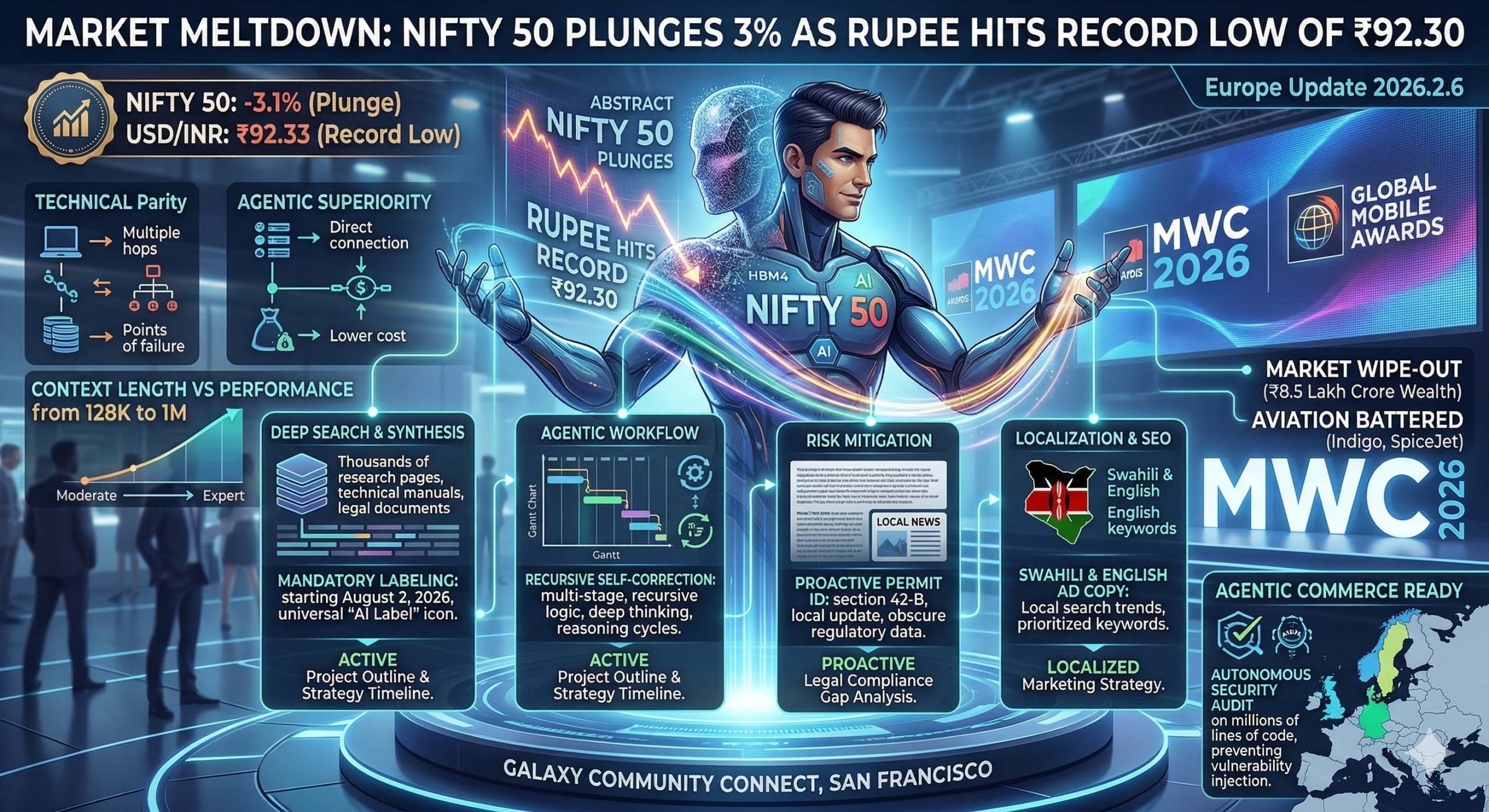
MUMBAI — March 9, 2026 — Indian equity markets witnessed a brutal sell-off today, with the benchmark Nifty 50 crashing nearly 3% (over 750 points) in intraday trade. The “Black Monday” rout wiped out more than ₹8.5 lakh crore in investor wealth as the escalating Middle East conflict sent shockwaves through global financial systems.
The domestic currency, the Indian Rupee, collapsed to a historic low, slipping past the ₹92.30 mark against the US Dollar. This twin-hit of equity and currency devaluation reflects a massive “risk-off” flight by foreign institutional investors (FIIs) who are scrambling to exit emerging markets amid soaring energy costs.
Aviation in the Crosshairs: IndiGo and SpiceJet Batterred
The aviation sector has emerged as the biggest casualty of the current crisis. Shares of InterGlobe Aviation (IndiGo), India’s largest carrier, plummeted 8% today to a 52-week low of ₹4,035.
The sell-off in aviation is driven by a “perfect storm” of operational and financial pressures:
-
Fuel Surge: With crude oil hitting $114/bbl, Aviation Turbine Fuel (ATF) costs—which account for nearly 30% of airline expenses—are projected to rise by over 40% by April. Analysts estimate that for every $5 increase in Brent prices, IndiGo’s earnings contract by approximately 13%.
-
Airspace Restrictions: The closure of the Strait of Hormuz and restricted corridors over Iran and the Middle East have forced massive rerouting. IndiGo has officially cancelled over 500 flights between late February and early March.
-
Longer Routes: Flights to Europe and the West are now taking up to 2–3 hours longer, significantly increasing crew strain and fuel burn per passenger.
“Aviation stocks are the ‘canary in the coal mine’ for oil shocks,” said a lead analyst at JM Financial. “Between the physical inability to fly certain routes and the crushing cost of fuel, the margin of safety has evaporated.”
Macro Snapshot: The ₹92.30 Rupee Milestone
The Rupee’s fall to ₹92.33 marks one of its steepest single-day declines in recent years. The Reserve Bank of India (RBI) reportedly intervened multiple times today to stem the volatility, but the sheer demand for US Dollars from oil importers overwhelmed domestic support levels.
Key Market Indicators (March 9, 2026)
| Index / Currency | Opening Value | Intraday Low | % Change |
| Nifty 50 | 24,480 | 23,698 | -3.1% |
| BSE Sensex | 79,116 | 76,424 | -3.4% |
| USD / INR | ₹91.74 (Friday) | ₹92.33 | -0.64% |
| IndiGo (NSE) | ₹4,150 | ₹4,035 | -8.4% |
Sectoral Performance: Only IT Holds the Line
While Nifty Auto and Nifty Bank fell by 4% and 2% respectively, the Nifty IT index managed to close with marginal gains. The logic for the IT hedge is simple: a weaker rupee typically boosts the earnings of India’s tech exporters (TCS, Infosys, Wipro), providing a small cushion against the broader market collapse.
700 701 702 703 704 705 706 707 708 709 710 711 712 713 714 715 716 717 718 719 720 721 722 723 724 725 726 727 728 729 730 731 732 733 734 735 736 737 738 739 740 741 742 743 744 745 746 747 748 749 750 751 752 753 754 755 756 757 758 759 760 761 762 763 764 765 766 767 768 769 770 771 772 773 774 775 776 777 778 779 780 781 782 783 784 785 786 787 788 789 790 791 792 793 794 795 796 797 798 799 800 801 802 803 804 805 806 807 808 809 810 811 812 813 814 815 816 817 818 819 820 821 822