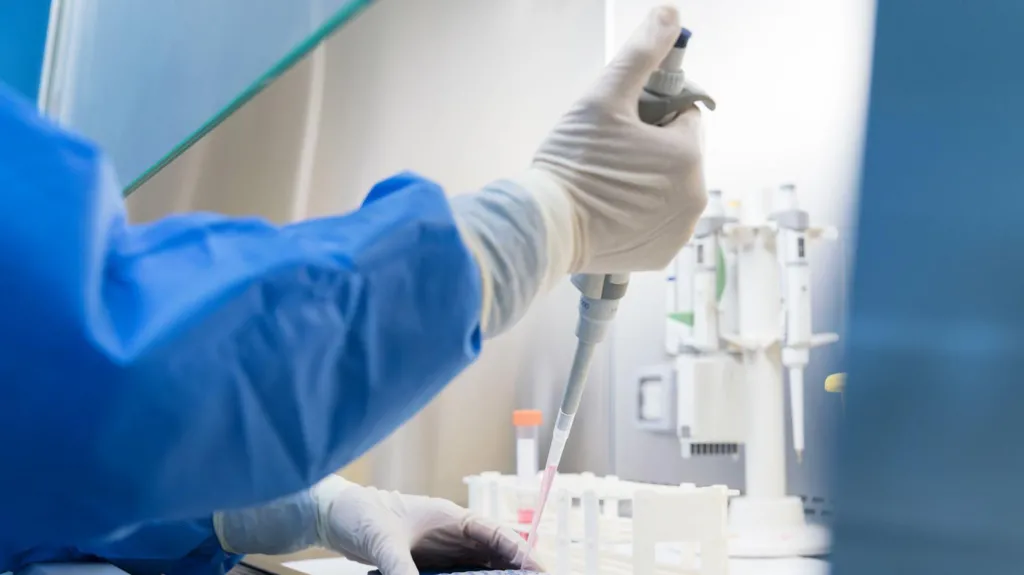
Artificial intelligence (AI) supercomputers could soon transform cancer research by speeding up the development of personalized vaccines, scientists say.
Cancer vaccines, unlike traditional immunizations that prevent infectious diseases, are designed to train a patient’s own immune system to recognize and attack tumour cells. The challenge lies in identifying the unique mutations—or “neoantigens”—that make cancer cells distinct from healthy ones. These molecular signatures vary widely between patients, making the process of designing effective vaccines complex and time-consuming.
AI supercomputers offer a potential solution. By processing enormous volumes of genomic and clinical data, these systems can rapidly predict which neoantigens are most likely to trigger an immune response. What once took months of laboratory work could be accomplished in days.
“Supercomputing gives us the ability to simulate thousands of possibilities in real time,” said Dr. Aisha Kamau, an oncologist and AI researcher based in London. “This means we can design a vaccine that is not only effective but tailored to an individual’s cancer profile.”
Researchers believe the technology could also help overcome one of the biggest hurdles in cancer treatment: relapse. By continuously updating patient data, AI-driven systems may help refine vaccines to keep pace with how cancers evolve and resist therapies.
Globally, pharmaceutical companies and academic institutions are racing to harness AI in oncology. Partnerships between universities, biotech firms, and technology giants are already underway, with early clinical trials testing AI-guided vaccines against melanoma, lung cancer, and pancreatic cancer.
While challenges remain—including high costs, data privacy concerns, and the need for rigorous safety testing—experts are optimistic. “If successful, this approach could mark a turning point in cancer treatment,” said Dr. Kamau. “It’s the convergence of cutting-edge computing power and medical science with the potential to save millions of lives.”
Governments and health systems are also paying close attention. With cancer cases projected to rise worldwide, the hope is that AI-enabled supercomputing could not only accelerate vaccine discovery but make personalized cancer care more accessible in the years ahead.
826 827 828 829 830 831
832
833
834
835
836
837
838
839
840
841
842
843
844
845
846
847
848
849
850
851
852
853
854
855
856
857
858
859
860
861
862
863
864
865
866
867
868
869
870
871
872
873
874
875
876
877
878
879
880
881
882
883
884
885
886
887
888
889
890
891
892
893
894
895
896
897
898
899
900
901
902
903
904
905
906
907
908
909
910
911
912
913
914
915
916
917
918
919
920
921
922
923
924
925
926
927
928
929
930
931
932
933
934
935
936
937
938
939
940
941
942
943
944
945
946
947
948