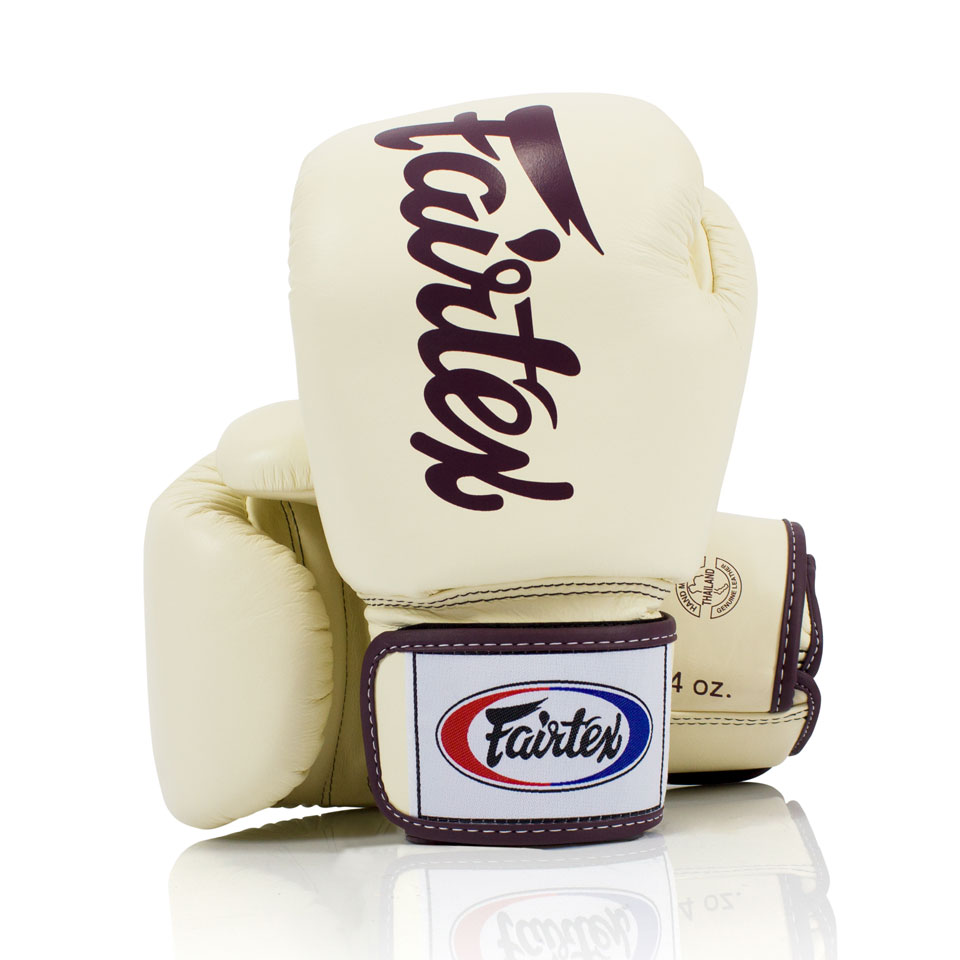
When buying boxing gloves, one of the first choices every fighter faces is the material. While all gloves might look similar at first glance, the type of material used makes a huge difference in durability, comfort, and overall performance. From traditional cowhide leather to modern synthetic fabrics, each material offers unique advantages depending on how often and how intensely you train.
This guide breaks down the main materials used in boxing gloves today—what they’re made of, how they perform, and which one might be best for you.
1. Genuine Leather: The Timeless Standard
For decades, genuine leather has been the gold standard in boxing glove construction. Leather gloves, especially those made from full-grain or top-grain cowhide, are known for their exceptional durability and ability to mold perfectly to the hand over time.
Advantages:
-
Durability: Leather can withstand years of heavy training without tearing.
-
Flexibility: Over time, it softens and adapts to the shape of your hand.
-
Feel: The texture provides a premium, natural touch that synthetic materials can’t fully replicate.
-
Aging: High-quality leather tends to look even better with age.
Drawbacks:
-
Leather gloves usually cost more than synthetic ones.
-
They require regular cleaning and conditioning to prevent cracking.
Many professional fighters prefer genuine leather gloves because they balance protection and comfort better than any other material. You can find a wide range of premium leather gloves at Minotaur Fight Store, where craftsmanship and quality come first. These gloves are built for long-term performance, making them ideal for both training and competition.
2. Synthetic Leather (PU and Vinyl): Modern Convenience
Synthetic materials like polyurethane (PU) and vinyl are popular alternatives to real leather. These gloves are typically lighter, more affordable, and easier to maintain, making them great for beginners or casual fitness boxers.
Advantages:
-
Cost-effective: PU and vinyl gloves are cheaper without sacrificing style.
-
Low maintenance: They can be wiped clean easily after training.
-
Lightweight: Perfect for high-speed training and cardio boxing.
Drawbacks:
-
Synthetic materials tend to wear out faster than real leather.
-
They may not mold as comfortably to your hand over time.
If you’re new to boxing or train occasionally, synthetic gloves can be an excellent choice. At Minotaur Fight Store, you’ll find several high-quality PU gloves that mimic the feel of leather but at a lower price point. These models are designed for comfort and performance, ideal for those who train two to three times a week.
3. Engineered Leather: The Hybrid Innovation
Engineered leather, also known as microfibre or composite leather, blends the best of both worlds. It combines the look and flexibility of genuine leather with the easy maintenance of synthetics. This innovation has become increasingly popular among mid- to high-level fighters who want performance without the price tag of full-grain leather.
Advantages:
-
Durability: More resistant to cracking than standard PU.
-
Appearance: Closely resembles real leather in both texture and finish.
-
Performance: Retains flexibility while being lighter and more breathable.
Drawbacks:
-
Though long-lasting, it still doesn’t quite match the lifespan of top-quality leather.
These gloves are a smart investment for intermediate boxers who train regularly but don’t need professional-grade gear. Minotaur Fight Store carries several engineered leather gloves from reputable brands that have been tested for consistent quality and hand protection.
4. Canvas and Nylon: Supporting Materials
While not used for the striking surface, canvas and nylon are often incorporated into glove interiors or linings. They add structure, moisture resistance, and ventilation to the overall design.
Advantages:
-
Breathability: Keeps the inside of gloves cooler and reduces odor.
-
Support: Adds shape and structure without extra weight.
-
Affordability: Often used in training gloves to reduce cost while maintaining comfort.
Canvas or nylon interiors are typically found in beginner gloves or hybrid models designed for fitness boxing. They dry quickly and are easy to clean, making them practical for frequent use.
5. Padding Materials: Foam and Gel Systems
Beyond the outer shell, the padding inside the glove plays an equally vital role. Modern gloves use multi-layered foam or gel systems designed to absorb impact efficiently while maintaining shape.
-
Latex Foam: Traditional and bouncy, ideal for sparring.
-
IMF (Injected Mold Foam): Offers consistent density and strong wrist alignment.
-
Gel-infused padding: Distributes shock evenly, minimizing hand fatigue.
Top-tier gloves often combine multiple layers of foam to provide balanced cushioning. Whether you prefer softer padding for speed or denser foam for protection, the interior material dramatically influences how your gloves perform.
6. How to Choose the Right Material for You
Your choice of glove material should match your training habits and goals.
-
Beginners: Synthetic or engineered leather gloves offer great value. They’re durable enough for learning proper form without a high investment.
-
Regular Trainers: Engineered leather or mid-range cowhide gloves strike a balance between durability and cost.
-
Professional Fighters: Genuine leather is still the undisputed choice for quality, comfort, and longevity.
Ask yourself how often you’ll train, how hard you hit, and whether you need gloves for sparring, bag work, or competition. Once you have clear answers, you can choose the ideal glove type confidently.
If you’re unsure which material suits your style best, Minotaur Fight Store offers expert assistance and detailed product descriptions that highlight differences in leather grades, padding systems, and linings. Their staff can help match your needs with the right gloves so you can train effectively and comfortably.
7. Caring for Different Glove Materials
Regardless of material, maintenance determines how long your gloves last.
-
Leather Gloves: Wipe with a damp cloth and apply leather conditioner every few weeks to prevent cracking.
-
Synthetic Gloves: Use disinfectant wipes or mild soap; avoid excessive moisture.
-
Engineered Leather: Clean like synthetic gloves, but store in a cool, dry place to preserve the surface.
Always let gloves air dry after use and avoid placing them in direct sunlight or using heaters. Proper care keeps padding firm and prevents odor buildup.
8. The Future of Glove Materials
The boxing industry continues to innovate with eco-friendly and high-performance materials. Some brands are experimenting with vegan leather alternatives made from plant fibers and recycled fabrics. Others are incorporating moisture-wicking mesh panels and antimicrobial linings to enhance comfort and hygiene.
As sustainability becomes more important, future gloves will likely use materials that combine protection with environmental responsibility.
Final Thoughts
Boxing gloves are more than just protective gear—they’re an extension of the athlete. The choice of material influences comfort, durability, and performance in every punch. Whether you choose premium leather for its craftsmanship or synthetic options for convenience, understanding the differences ensures you make the right investment.
For reliable, high-quality boxing gloves made from the finest materials, visit Minotaur Fight Store. Their curated selection features top brands, expert advice, and gloves for every skill level and training style. With the right pair, your gloves will not only protect your hands but also enhance your performance round after round.
700 701 702 703 704 705 706 707 708 709 710 711 712 713 714 715 716 717 718 719 720 721 722 723 724 725 726 727 728 729 730 731 732 733 734 735 736 737 738 739 740 741 742 743 744 745 746 747 748 749 750 751 752 753 754 755 756 757 758 759 760 761 762 763 764 765 766 767 768 769 770 771 772 773 774 775 776 777 778 779 780 781 782 783 784 785 786 787 788 789 790 791 792 793 794 795 796 797 798 799 800 801 802 803 804 805 806 807 808 809 810 811 812 813 814 815 816 817 818 819 820 821 822