STARBASE, TX — March 18, 2026 — Elon Musk has confirmed that the most powerful flying object in human history, Starship Version 3 (V3), is roughly four weeks away from its maiden flight. Currently targeting an early-to-mid April 2026 launch, Flight 12 will debut a “radical redesign” that SpaceX hopes will finally bridge the gap between experimental testing and reliable orbital logistics.
This morning at Starbase, the “Booster 19” Super Heavy prototype successfully completed a 10-engine static fire test on the newly activated Pad 2, marking the first time the V3 architecture has “breathed fire” on the launch mount.
The Raptor 3 Revolution: More Power, Less Weight
The heart of the V3 upgrade is the Raptor 3 engine. While it looks deceptively simple compared to its predecessor—having moved many of its complex “plumbing” lines internally—it is a significant leap in propulsion technology:
-
Thrust Increase: Raptor 3 delivers 280 tons of thrust, a massive jump that allows Starship V3 to carry over 100 tons of payload to Low Earth Orbit (LEO).
-
Mass Efficiency: By removing external sensors and shielding, SpaceX has slashed the engine’s weight while improving its durability for multiple flights.
-
Simplification: The “cleaner” design is optimized for rapid mass production and faster turnaround times between launches.
Architecture of the Future: What’s New in V3?
Starship V3 isn’t just a tweak; it’s a taller, stronger, and more capable evolution of the V2 models seen in 2025.
| Feature | Starship V3 (Flight 12) | Previous Iterations (V2) |
| Height | ~1.5 meters (5 feet) taller | Standard 120m stack |
| Grid Fins | 3 “Mega Fins” (50% larger) | 4 Standard fins |
| Propellant | Redesigned internal headers & pipes | Traditional plumbing |
| Refueling | Integrated Docking Adapters | Experimental only |
The On-Orbit Refueling Goal
Perhaps the most critical addition to the V3 Ship (specifically Ship 39) is the inclusion of docking adapters designed for in-space propellant transfer. For NASA’s Artemis missions to the Moon, Starship must be able to “gas up” in orbit. Flight 12 will test the structural integrity and avionics required to bring two V3 ships together—a maneuver Musk has called “the big unknown” of the program.
The Catch: Pad 2 and “Mechazilla”
For the first time, SpaceX will operate from its second launch tower (Pad 2), effectively doubling its launch capacity at Starbase.
Musk noted that while the goal remains to catch both the Super Heavy booster and the Starship upper stage using the “chopstick” arms of the Mechazilla tower, the company will play it safe with the upper stage. SpaceX will only attempt a Ship catch after “two perfect soft landings in the ocean” to ensure the risk of a breakup over land is near zero.
“Pretty much everything changes on the rocket with version 3,” Musk stated. “It might have some initial teething pains because it’s such a radical redesign, but this is the ship that takes us to Mars.”
Impact on Global Logistics
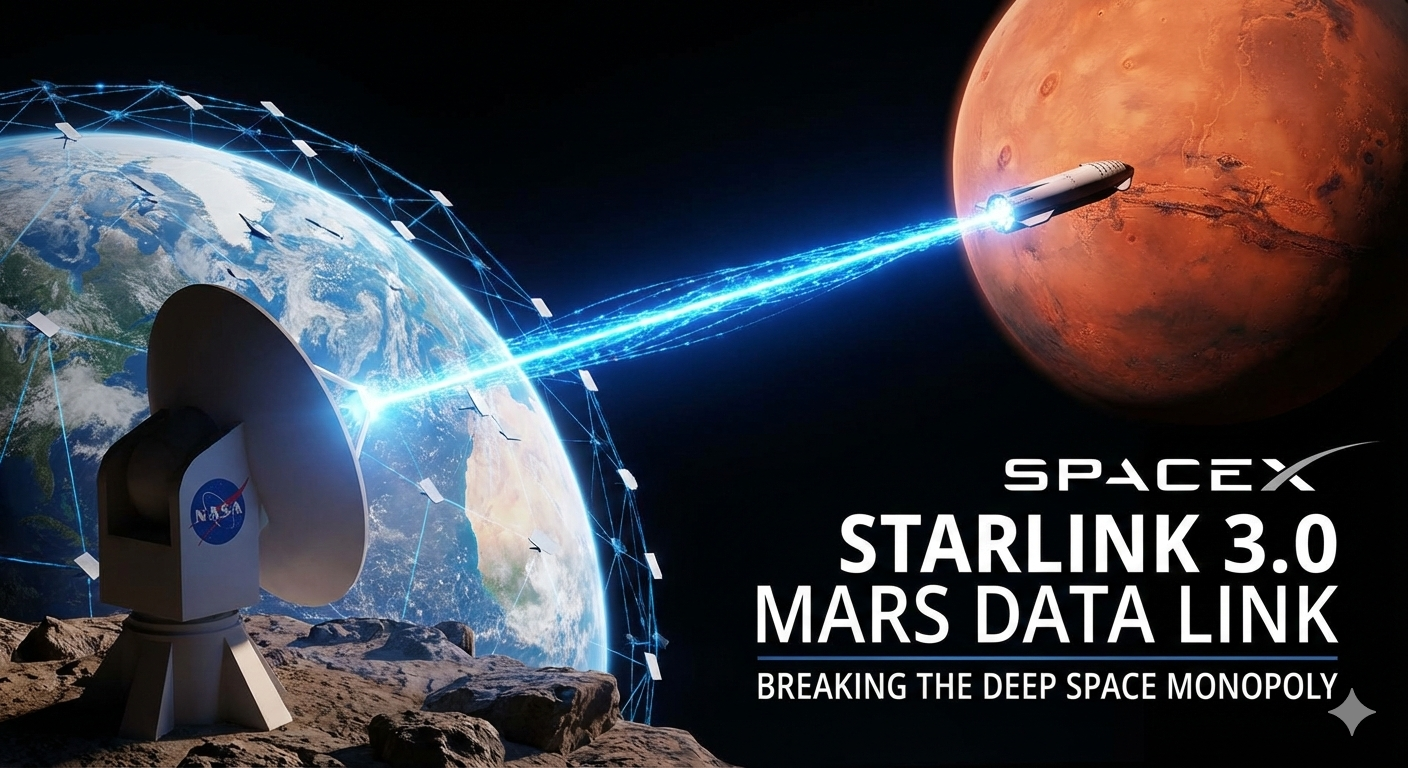
The arrival of V3 represents a shift from “exploration” to “industrialization.” With a 100-ton payload capacity, SpaceX can begin launching the massive Starlink V3 satellites, further cementing the global “agentic” internet infrastructure discussed in previous reports.
1 2 3 4 5 6 7 8 9 10 11 12 13 14 15 16 17 18 19 20 21 22 23 24 25 26 27 28 29 30 31 32 33 34 35 36 37 38
700 701 702 703 704 705 706 707 708 709 710 711 712 713 714 715 716 717 718 719 720 721 722 723 724 725 726 727 728 729 730 731 732 733 734 735 736 737 738 739 740 741 742 743 744 745 746 747 748 749 750 751 752 753 754 755 756 757 758 759 760 761 762 763 764 765 766 767 768 769 770 771 772 773 774 775 776 777 778 779 780 781 782 783 784 785 786 787 788 789 790 791 792 793 794 795 796 797 798 799 800 801 802 803 804 805 806 807 808 809 810 811 812 813 814 815 816 817 818 819 820 821 822